
Initiatives
Building a disaster-resilient nation through community engagement and innovative outreach programmes.
NDRF Academy: Growing a Nation of First Responders
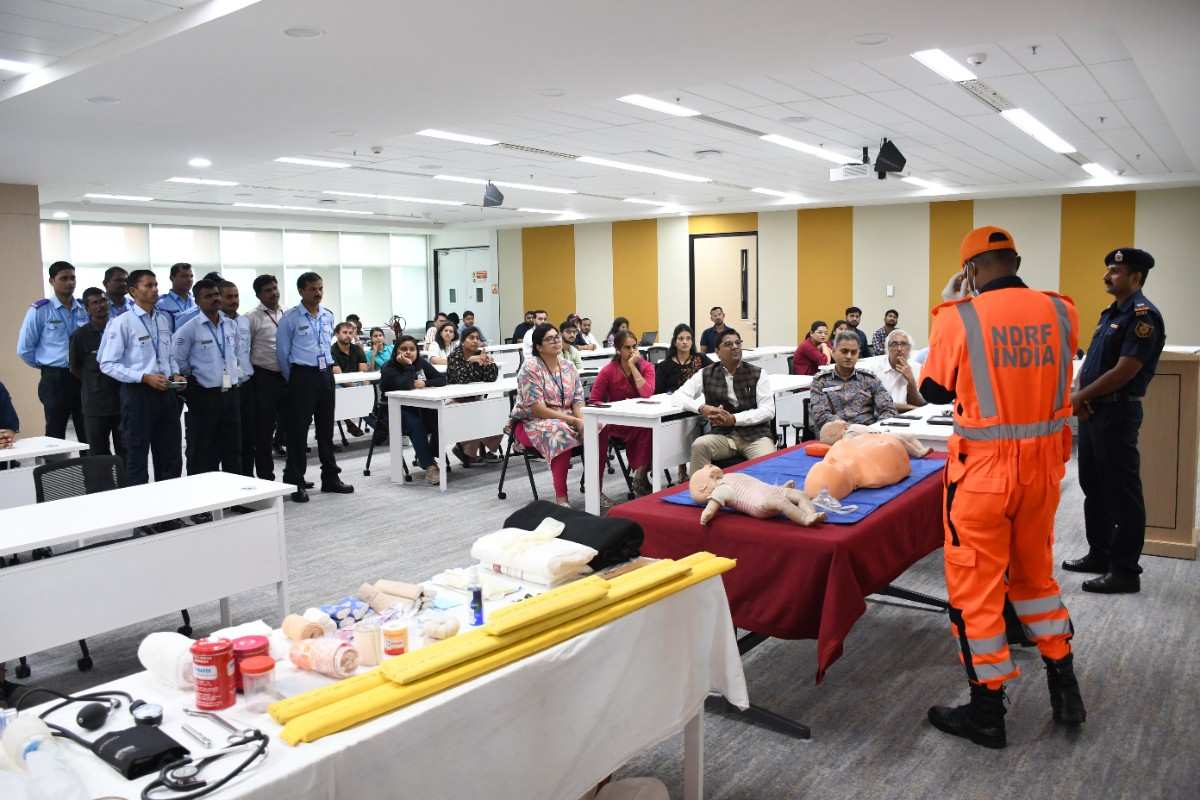
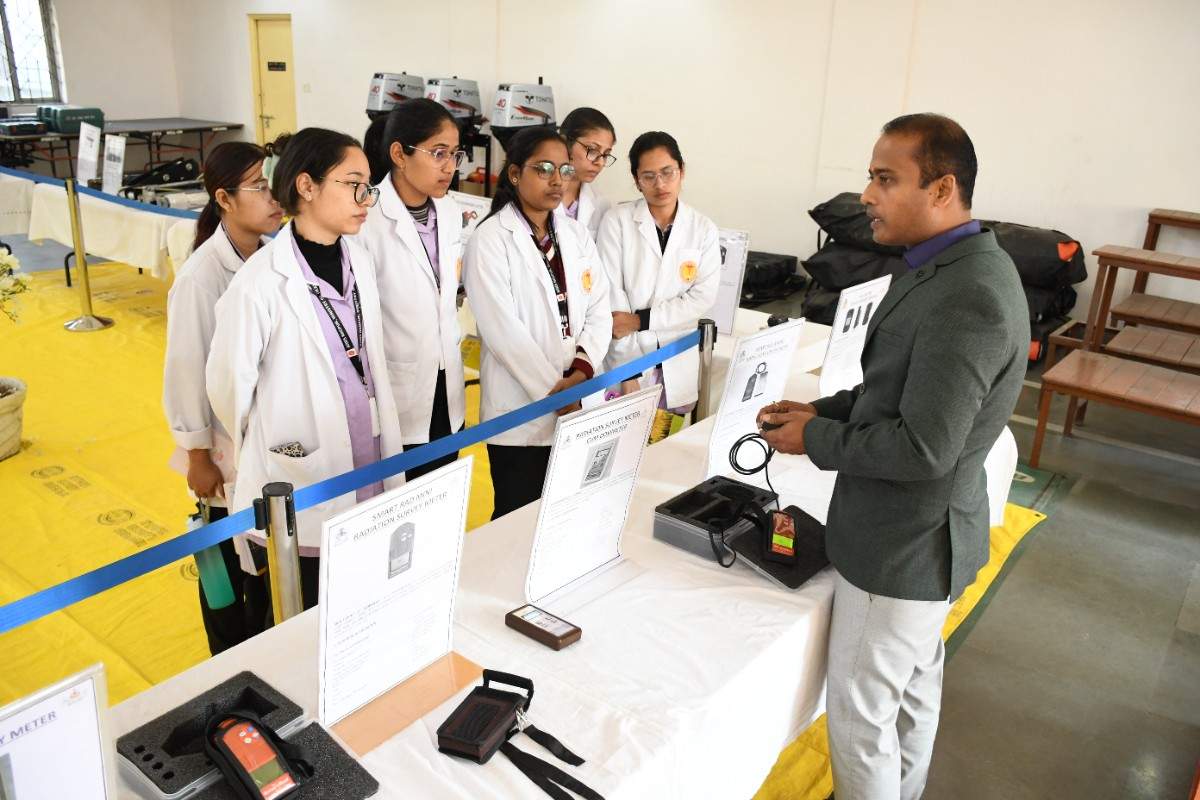
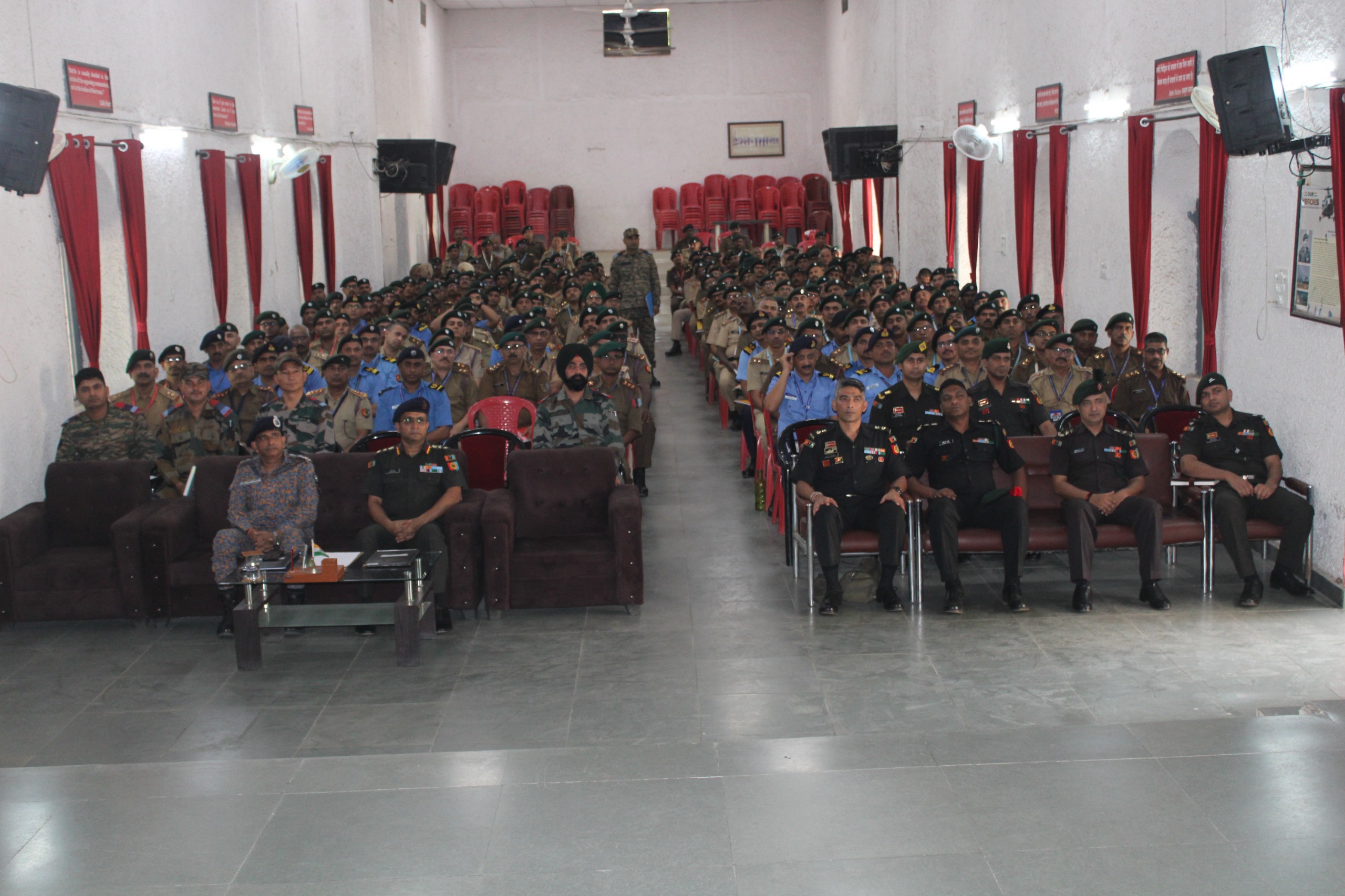
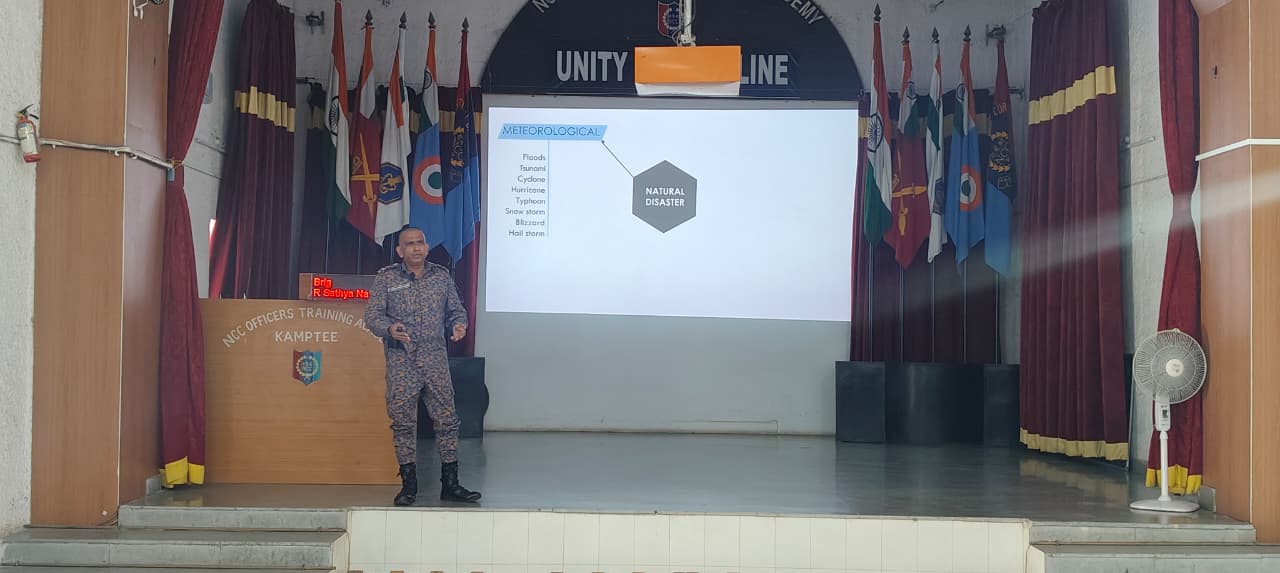
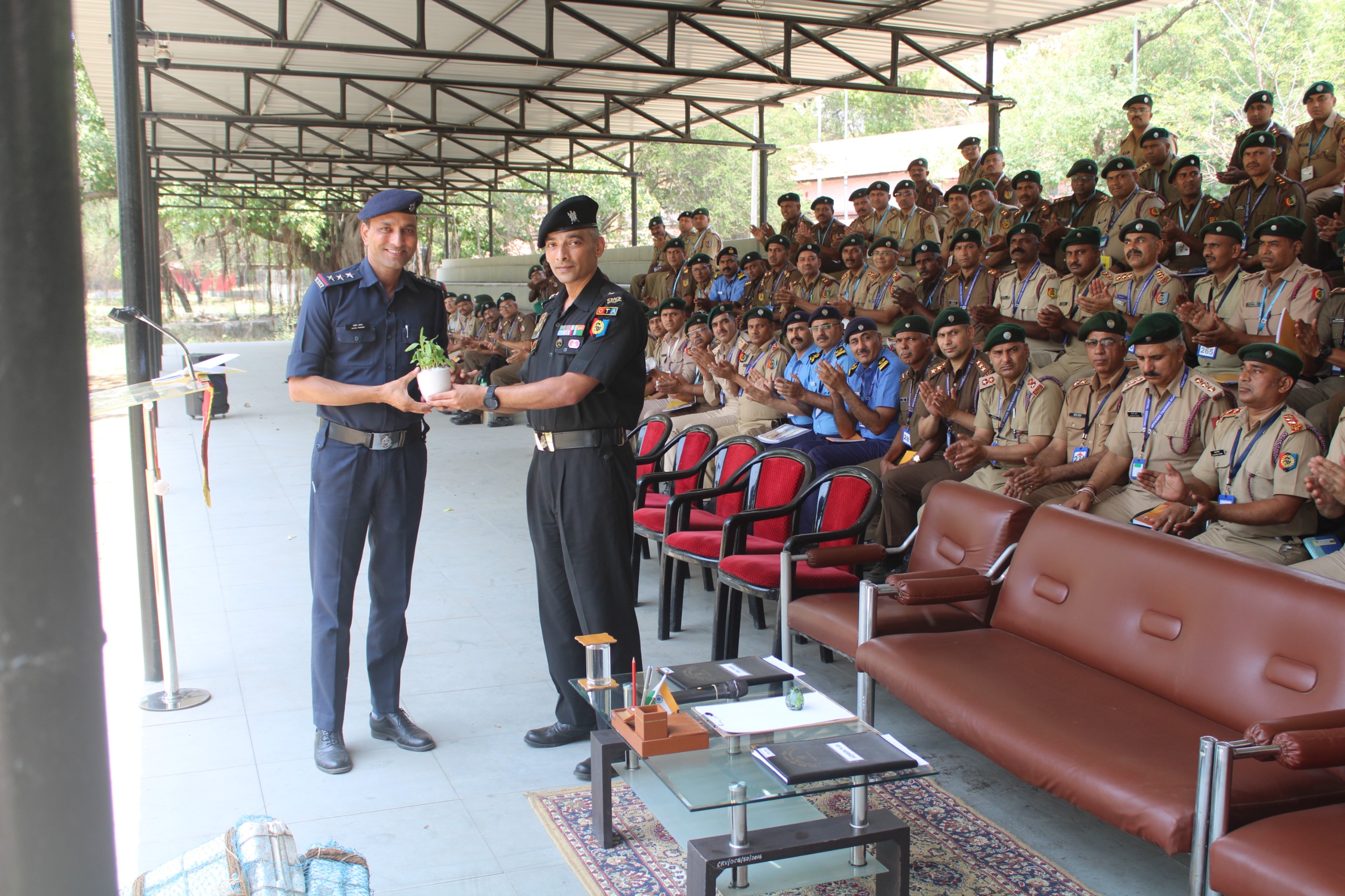
From 1,037 participants in 2021 to 14,645 trained by 2025, the NDRF Academy's short module programs reflect an extraordinary commitment to building disaster preparedness capacity across India. Through structured outreach to NCC cadets, WCL personnel NGOs, and probationers, the Academy is ensuring that life-saving emergency response skills reach every corner of the nation.
Community Awareness Programme (CAP) Pamphlets
Download the Community Awareness Programme (CAP) pamphlets to learn about disaster preparedness, safety protocols, and community response strategies. Available in English and Hindi.
16k
14k
12k
10k
8k
6k
4k
2k
0
The chart above illustrates the Academy's rapid and sustained expansion in training outreach - a trajectory that underscores the strategic prioritization of community-level disaster preparedness as a national imperative.
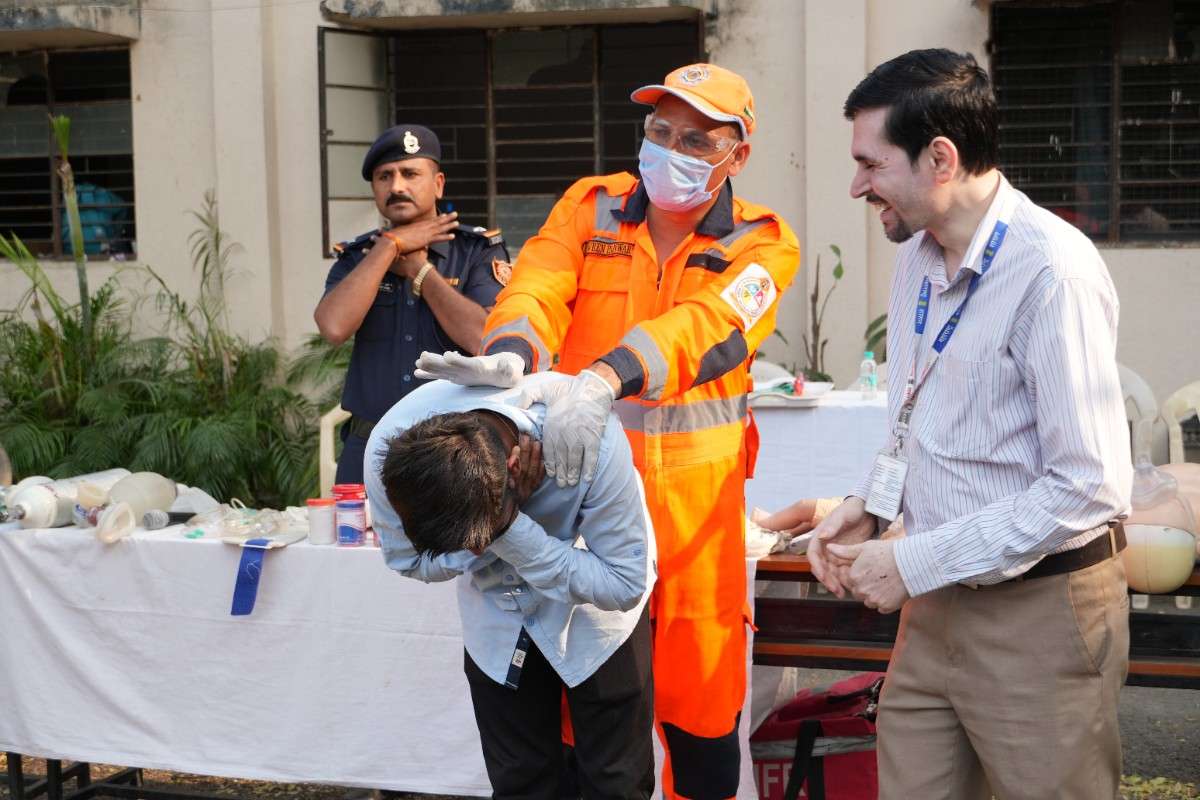
Field-Based Training
Hands-on modules ensure participants gain practical, applicable skills in real emergency scenarios.
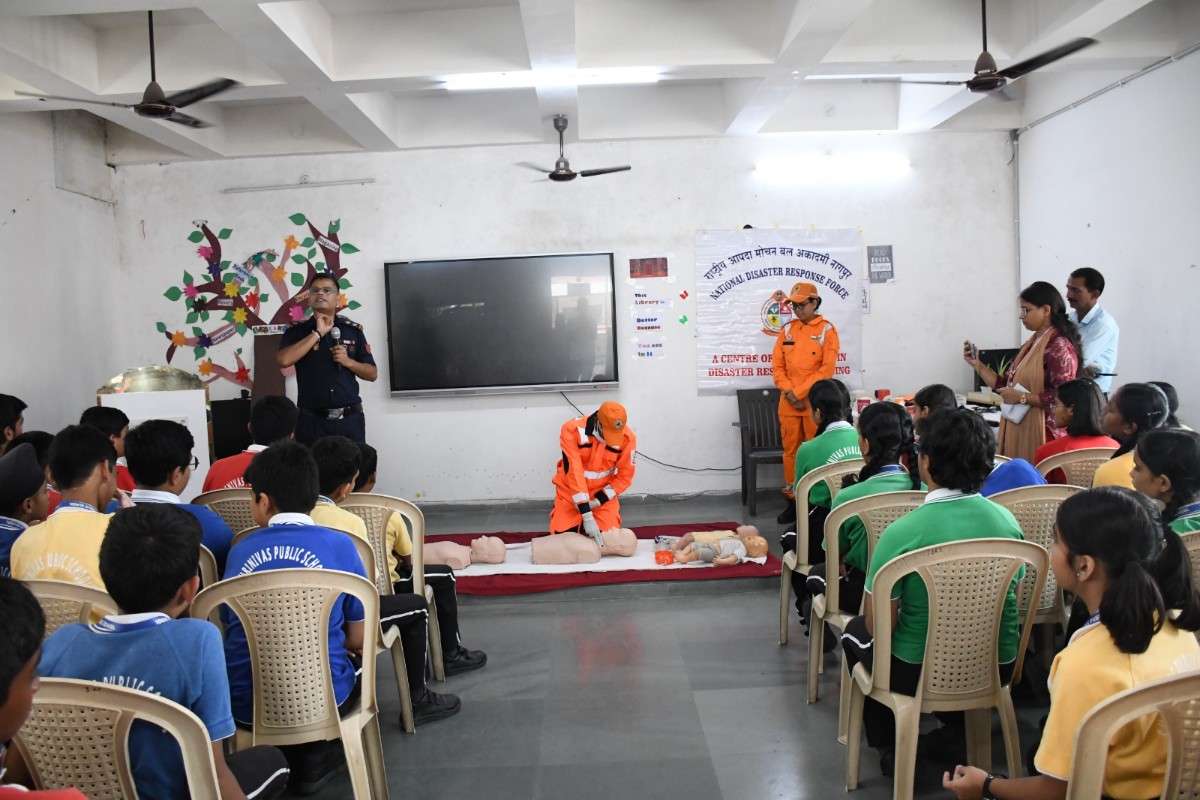
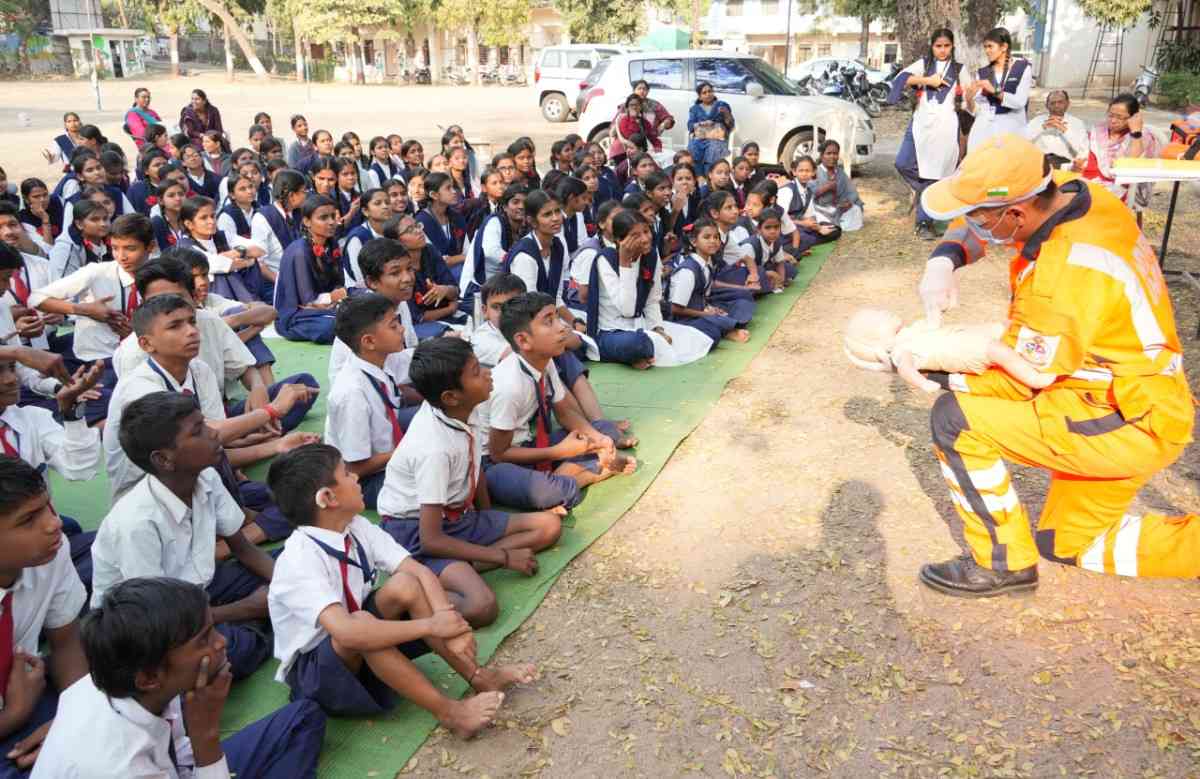
School Outreach
Students are introduced to safety habits, emergency communication, and basic response actions.
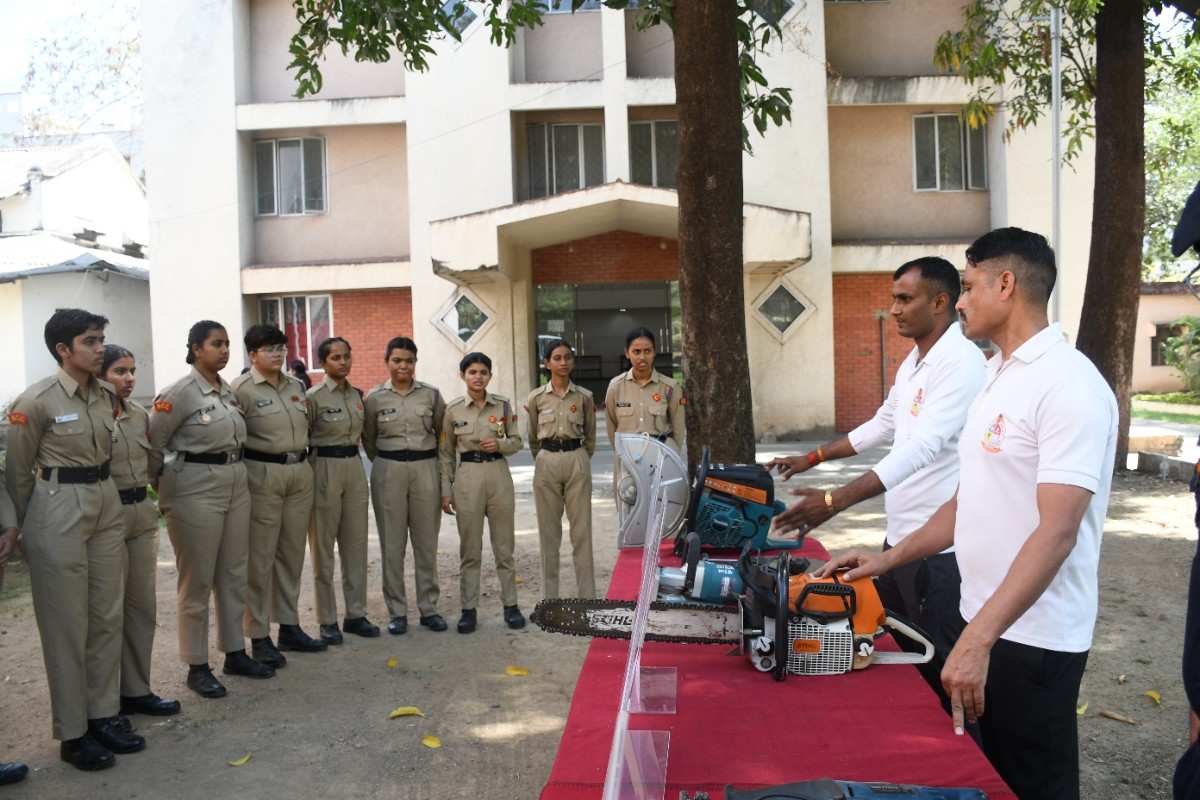
Youth Engagement
NCC cadets and young probationers are equipped early with the skills to lead in crisis situations.
Our Mission
To build a disaster-resilient nation by systematically training citizens, communities, and institutions in structured emergency response protocols.
The Road Ahead
With sustained momentum, the NDRF Academy aims to further expand module diversity, geographic reach, and institutional partnerships — ensuring no community is left unprepared.
- • Wider geographic distribution of training programs
- • Deeper engagement with NGO and civil society networks
- • Integration of digital and hybrid training modules
Green Initiatives
Promoting environmental responsibility across campus operations, training spaces and daily routines.
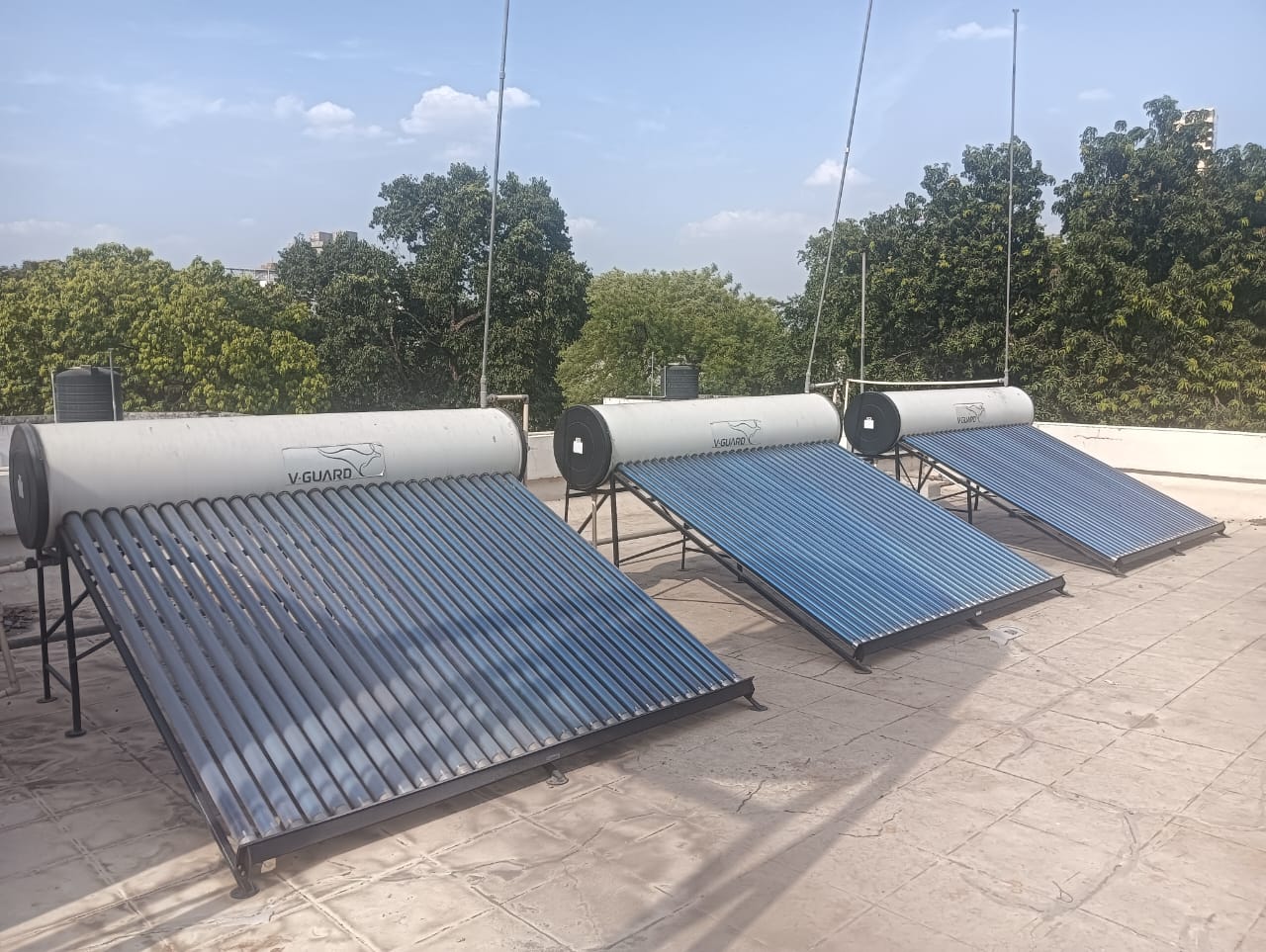
1. Solar
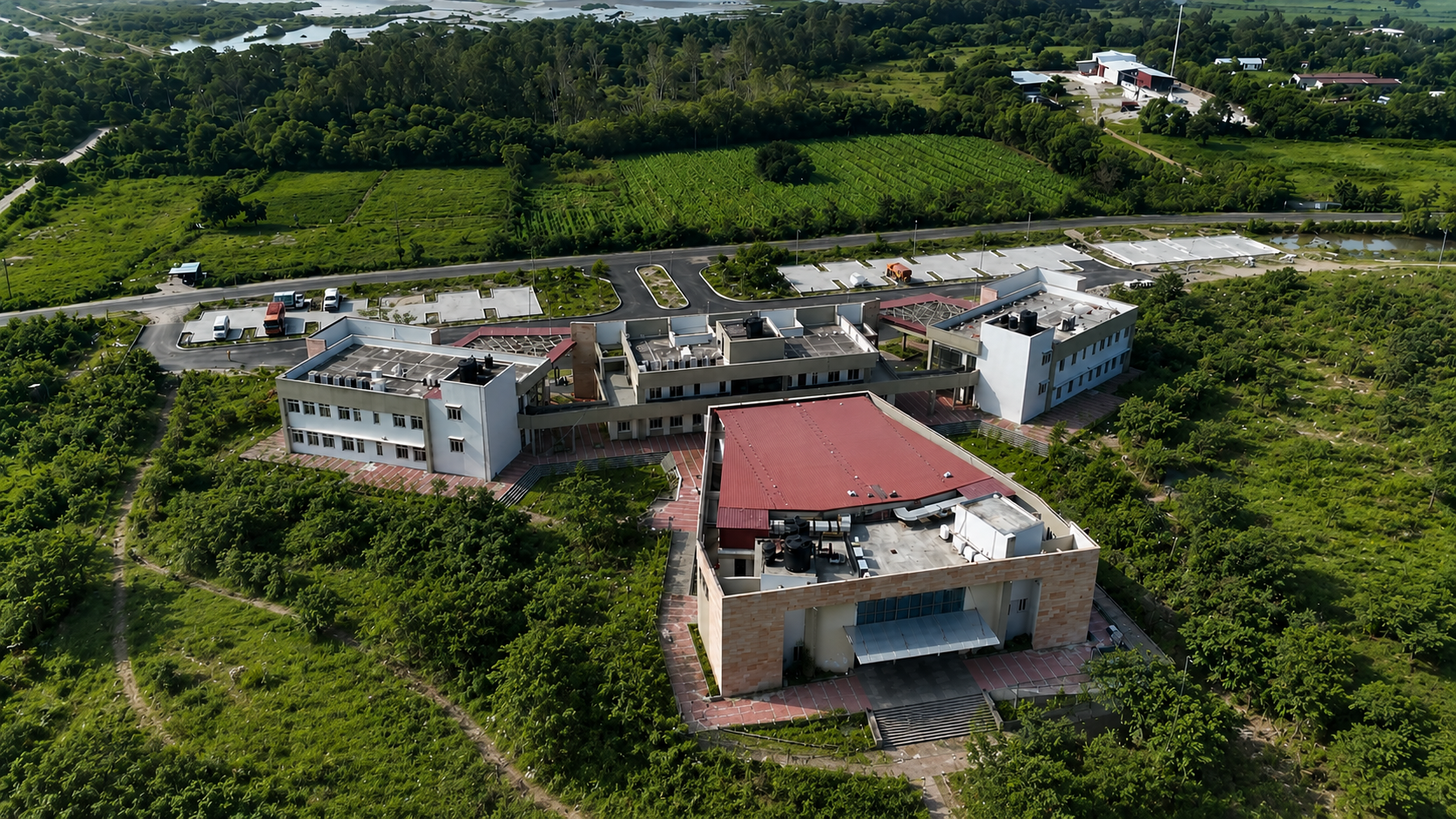
Aligned with the national green initiative, the academy is effectively harnessing solar energy in both the campuses. The Civil Line campus has roof top solar panel clusters feeding into grid approx. 200 KW and reduces electricity bill. The New campus is installing a 500 KW solar panel complex which will also serve as shade for carparking. The New campus buildings are designed to effectively utilize natural light for offices during day.
2. Water Conservation
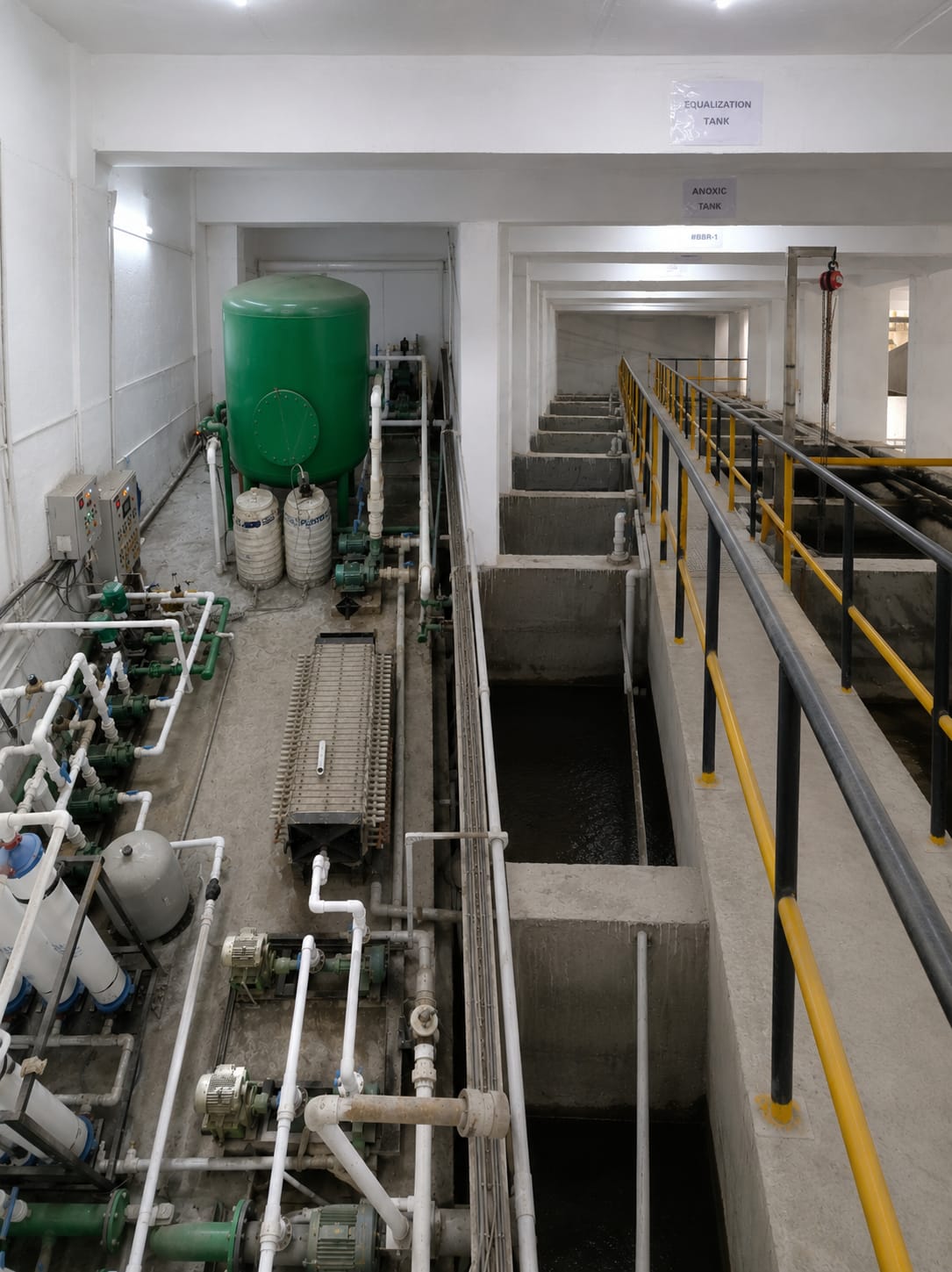
The Sewage treatment plant of Capacity 175 KLD provides recycled and treated water for gardening and sanitation needs effectively utilizing each drop of water to the fullest. Natural depressions within campus area are being developed into rainwater harvesting and environmental habitats.

3. Green cover
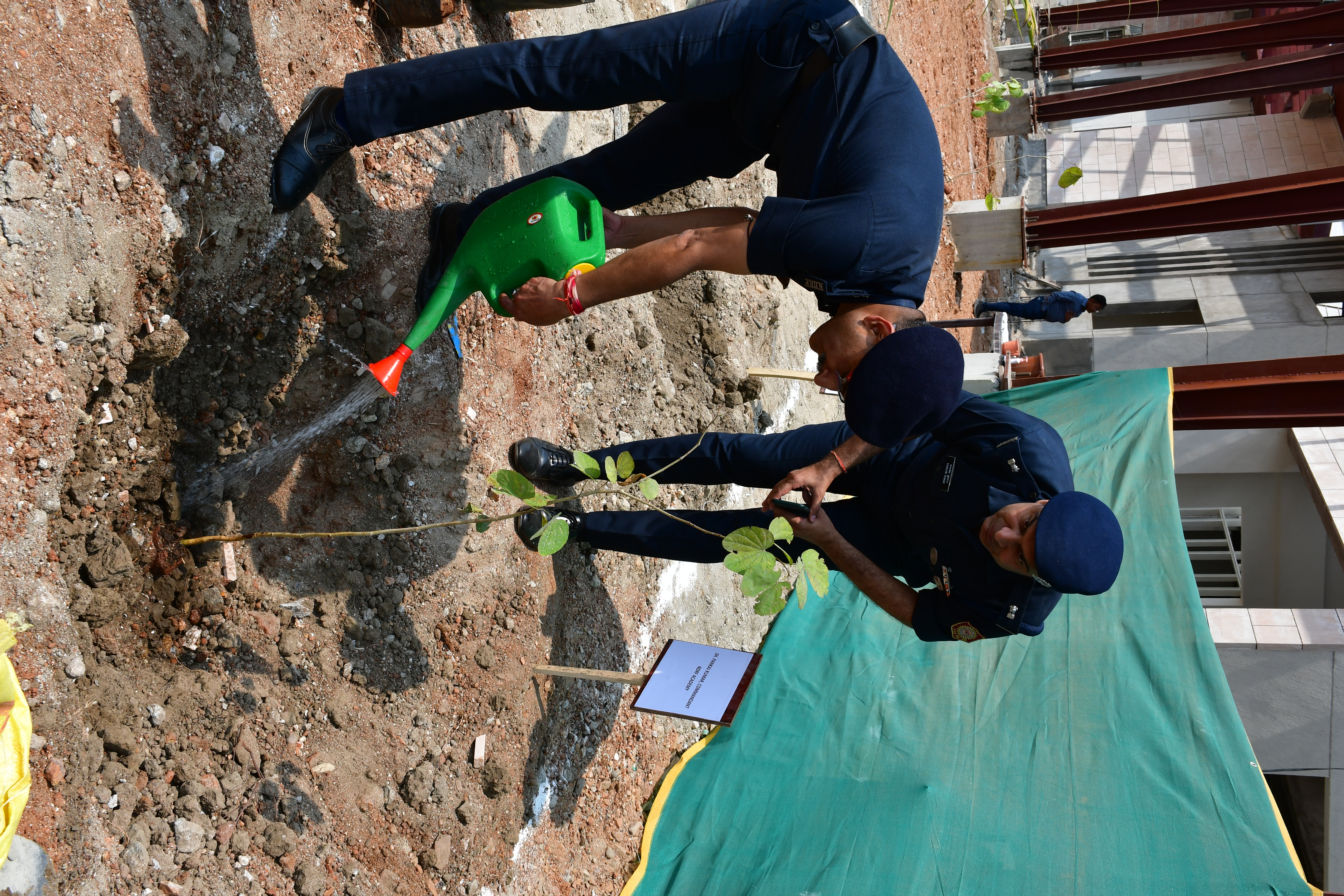
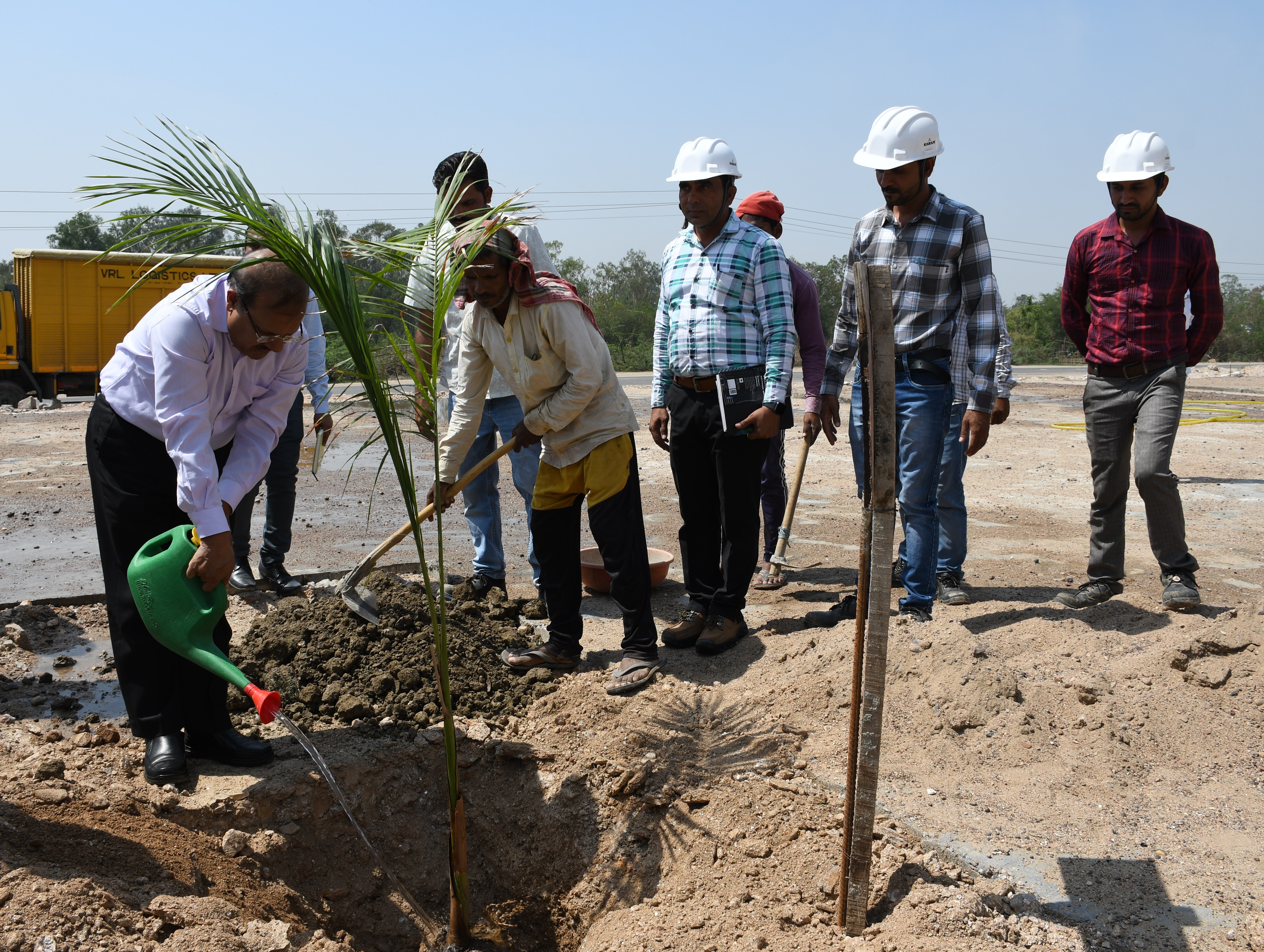
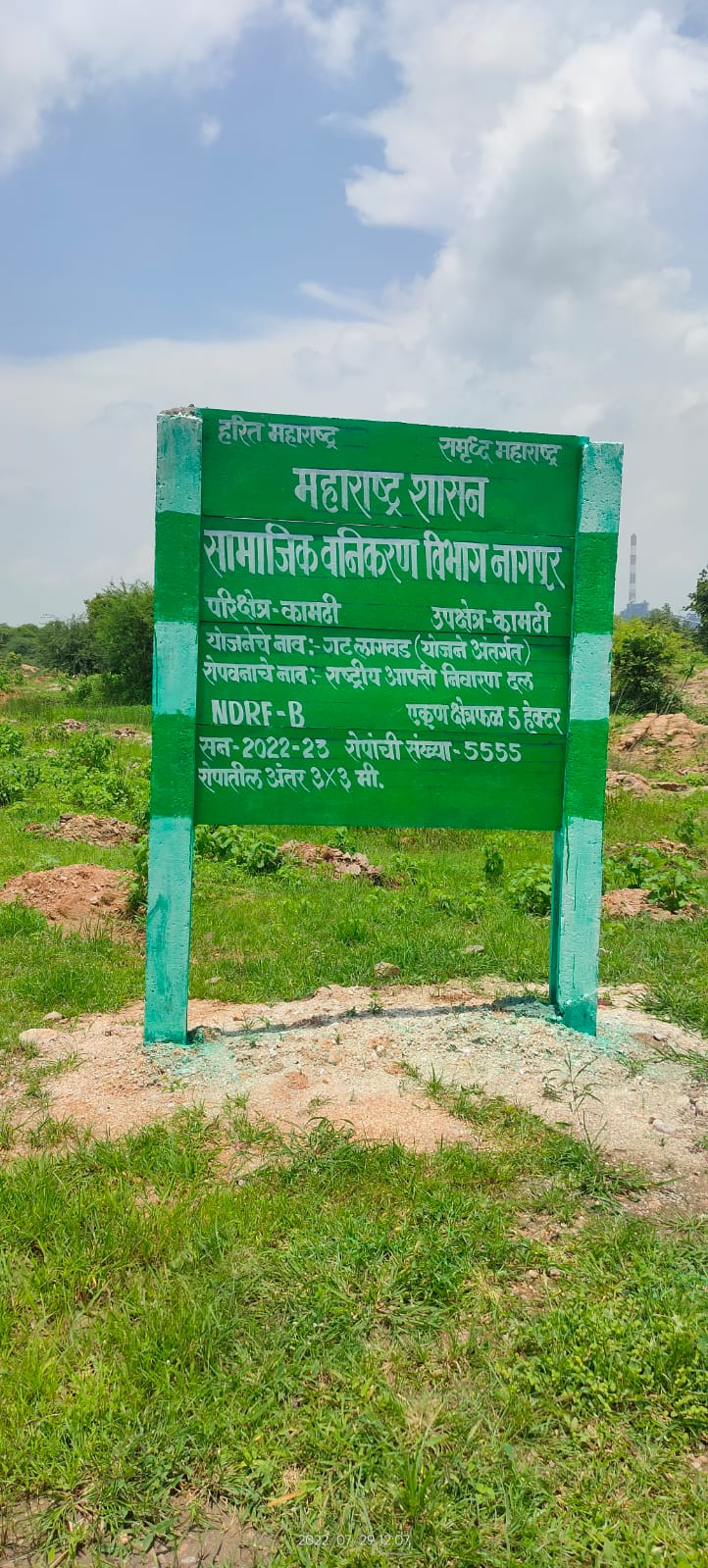
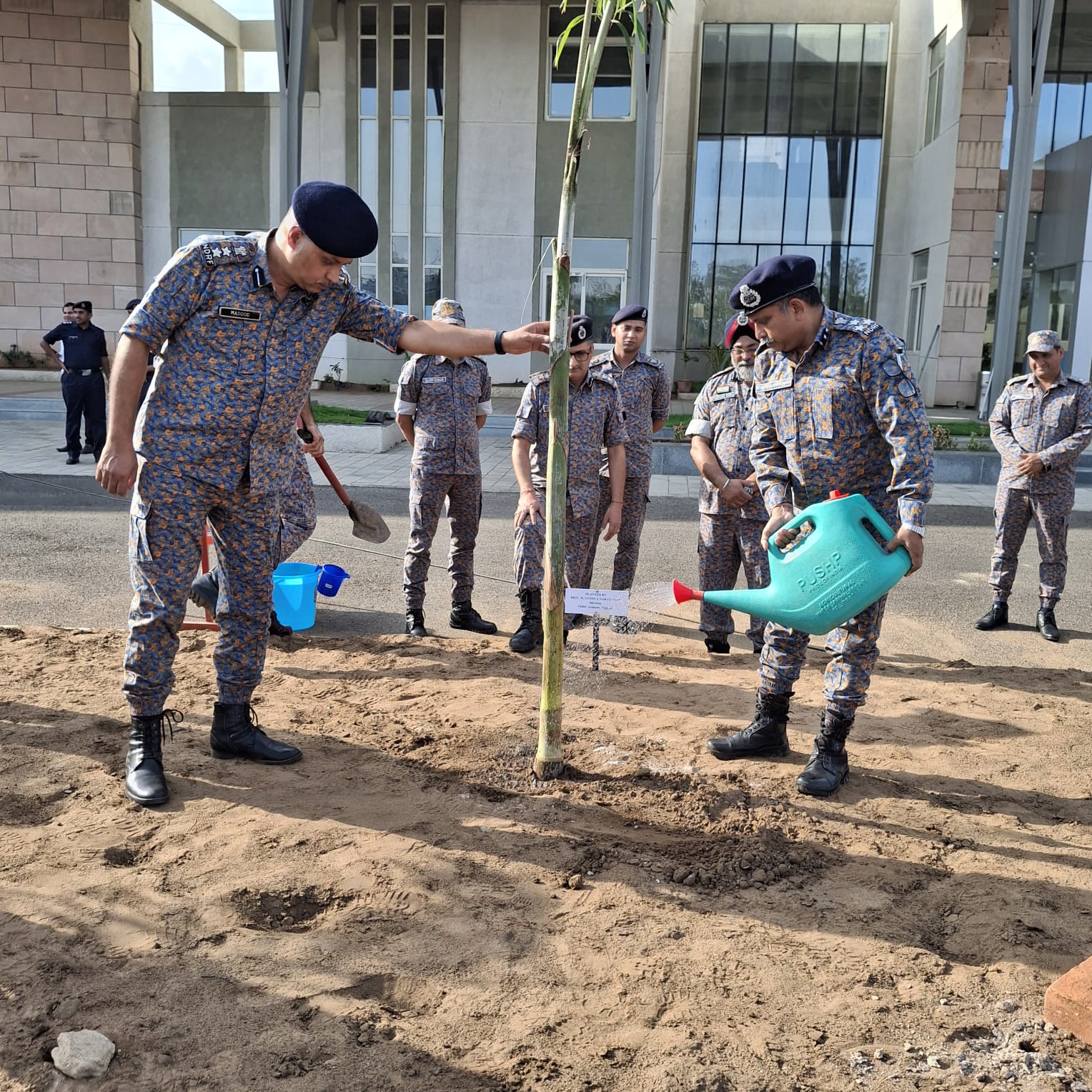
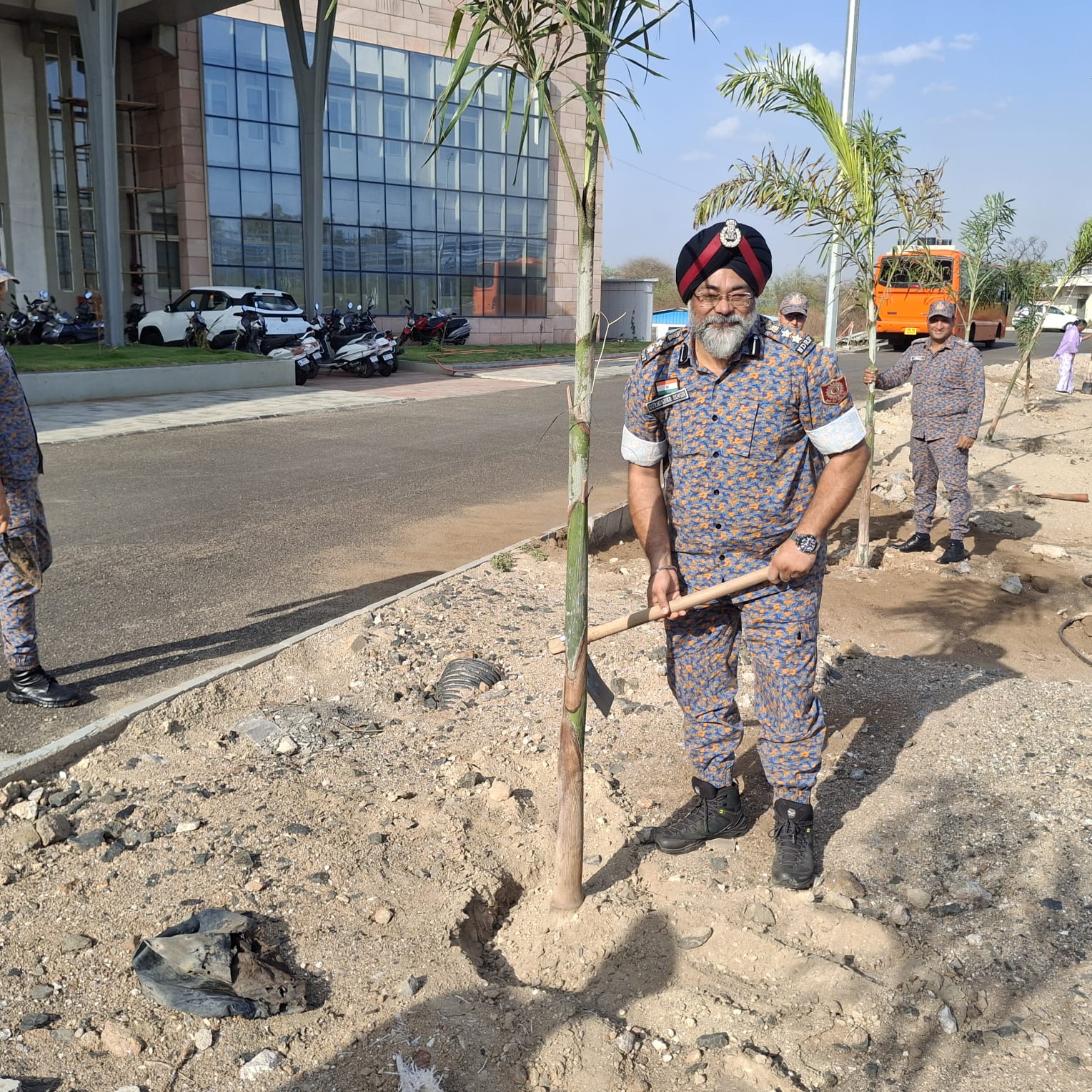
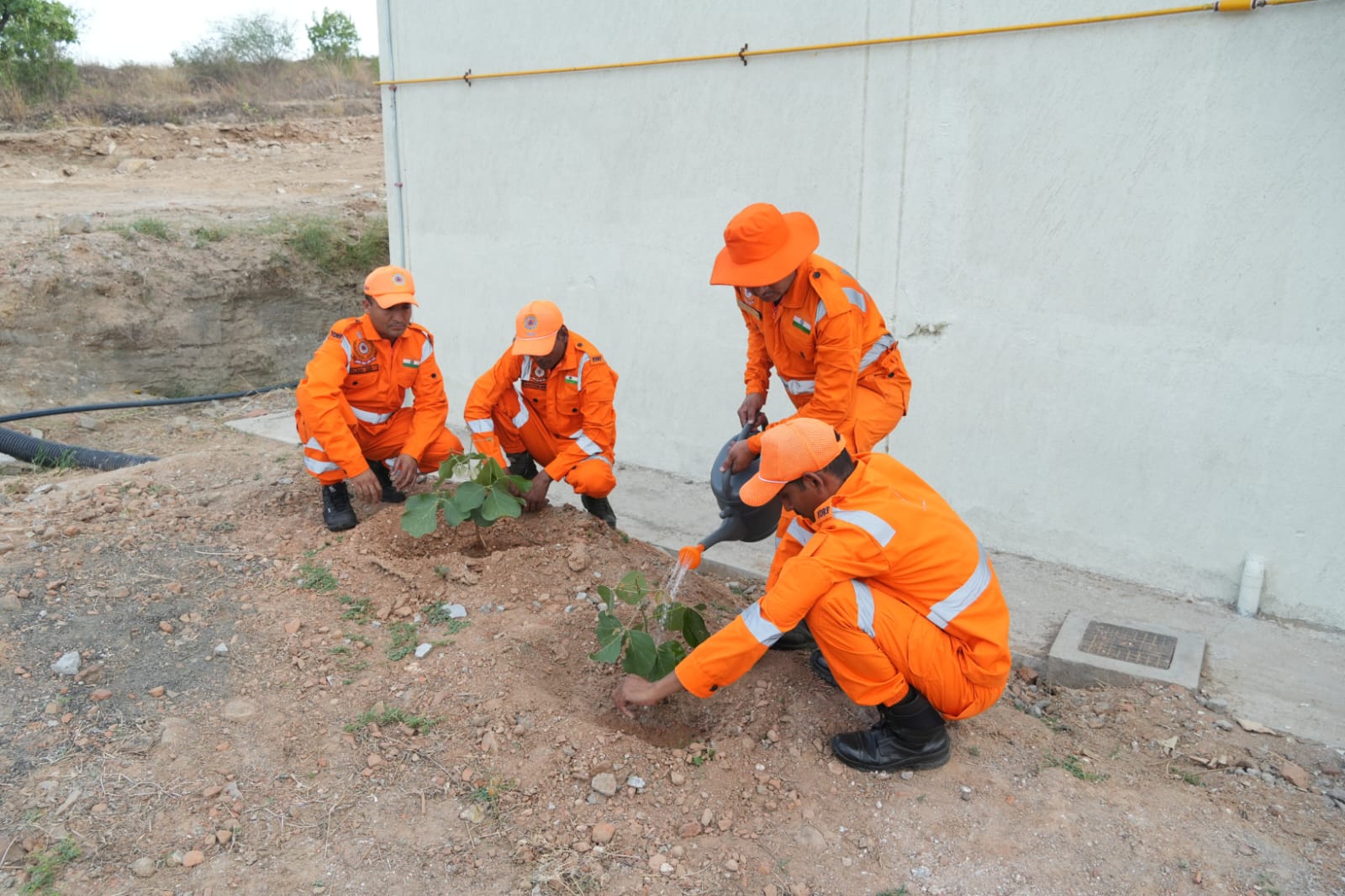
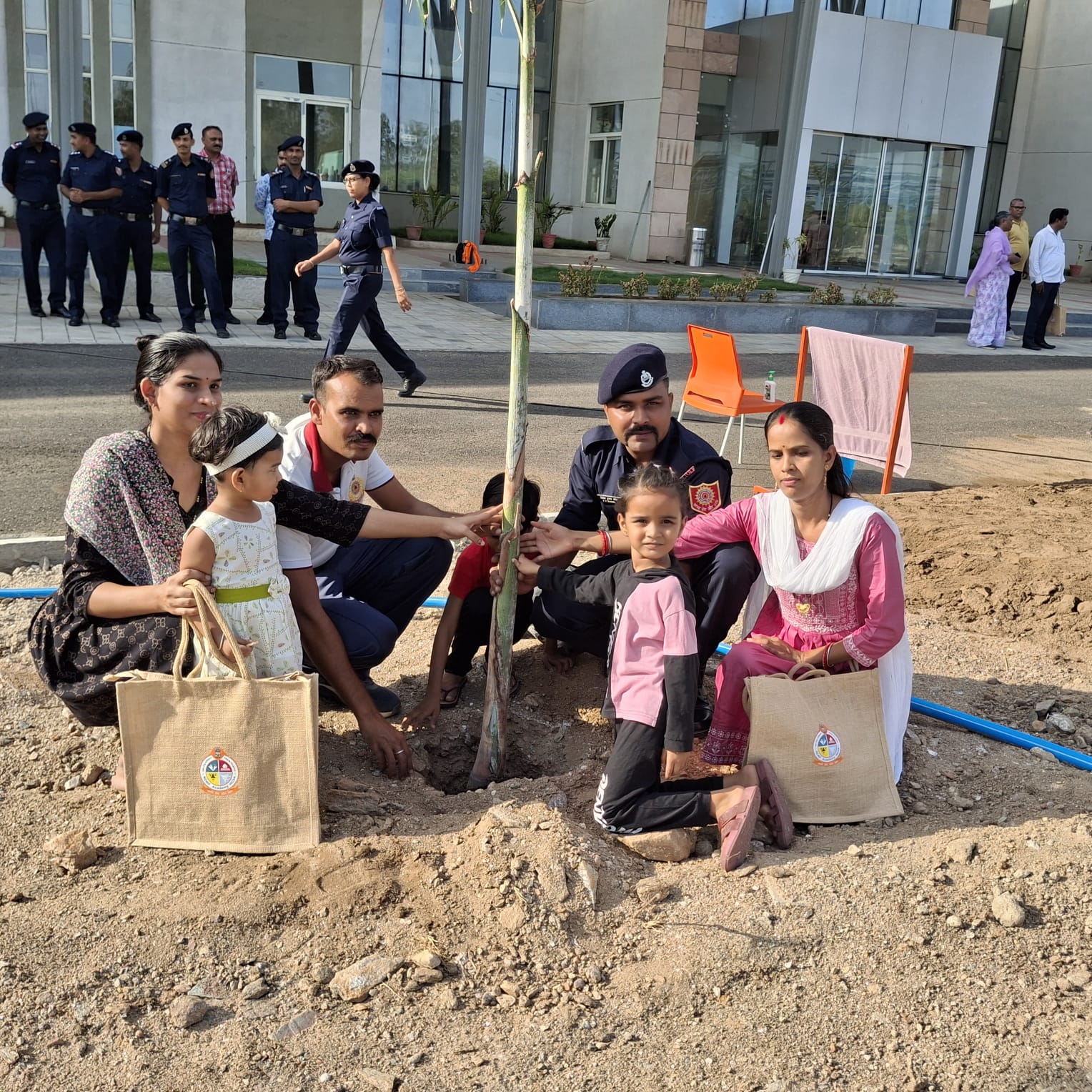
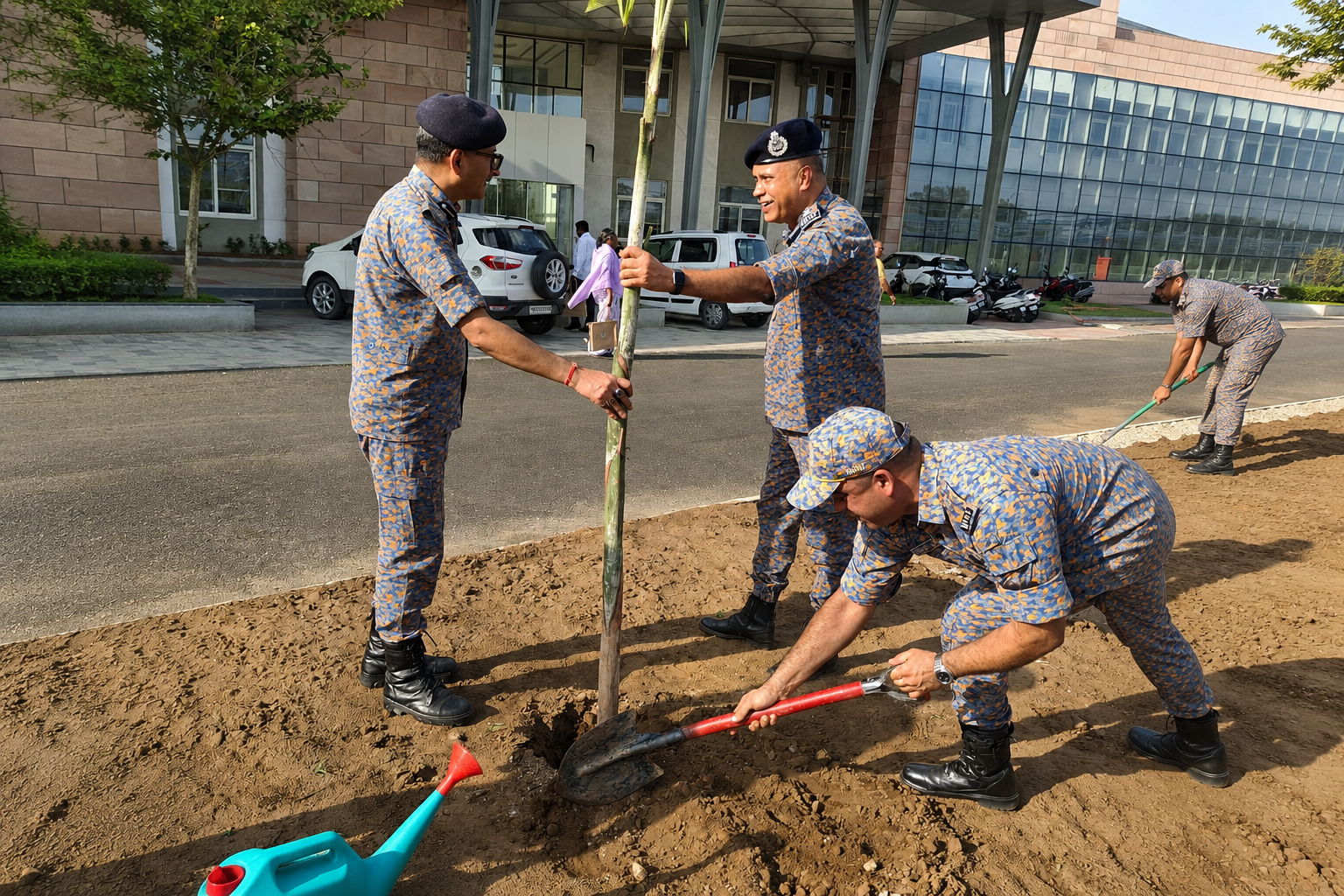
Adequate green cover is available in the Civil Lines campus with high trees, grass lawns, flowering and potted plants. In New campus, more than 5500 trees were planted in the last year. Due to ongoing construction activities, the plan for year 2026 is to plant approx. 25,000 tree saplings with assistance from Forest department and NGOs. The plan also includes development of shade bearing and flowering trees along with greener landscape through a project-based approach through CPWD.
4. Waste management
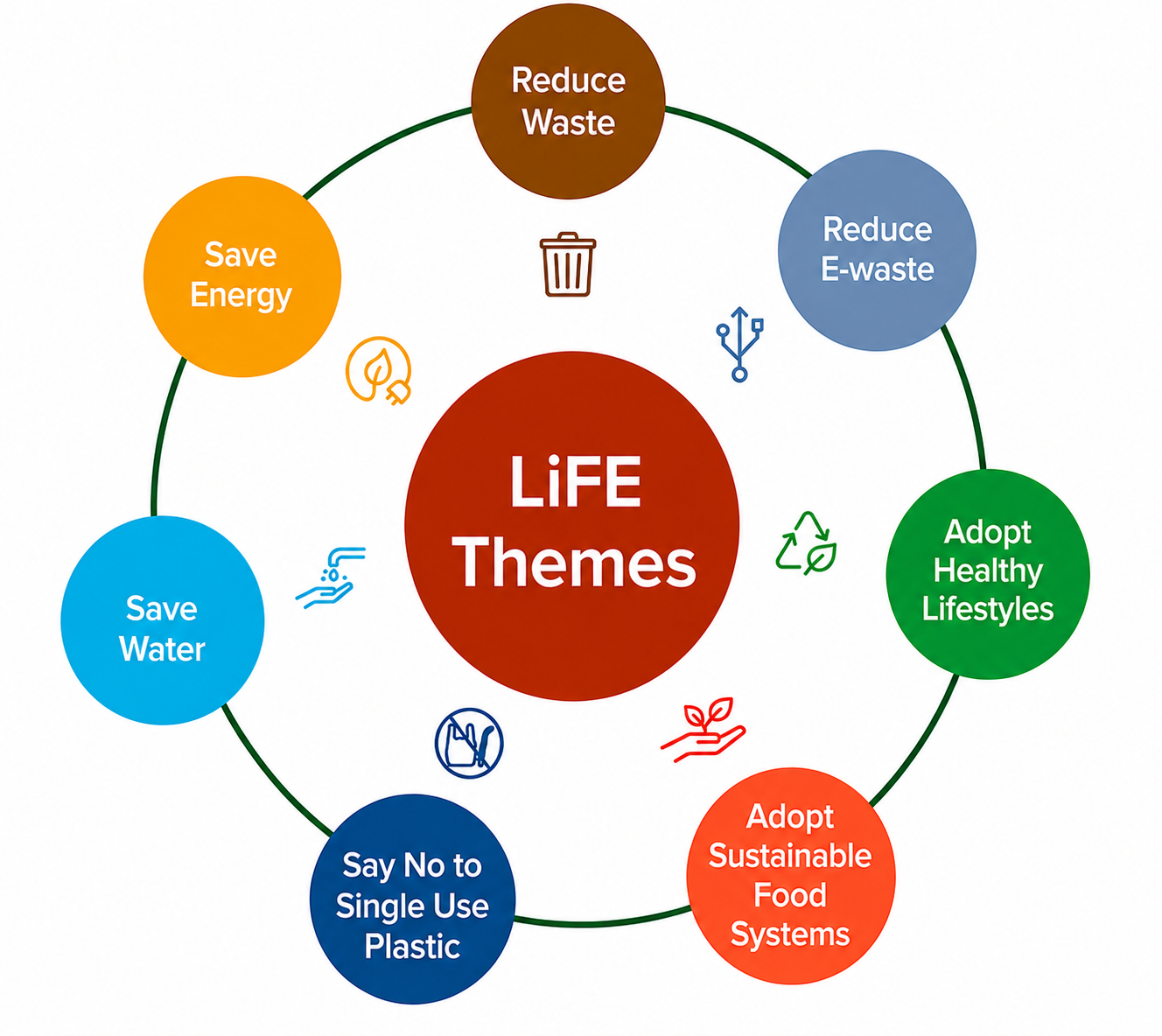
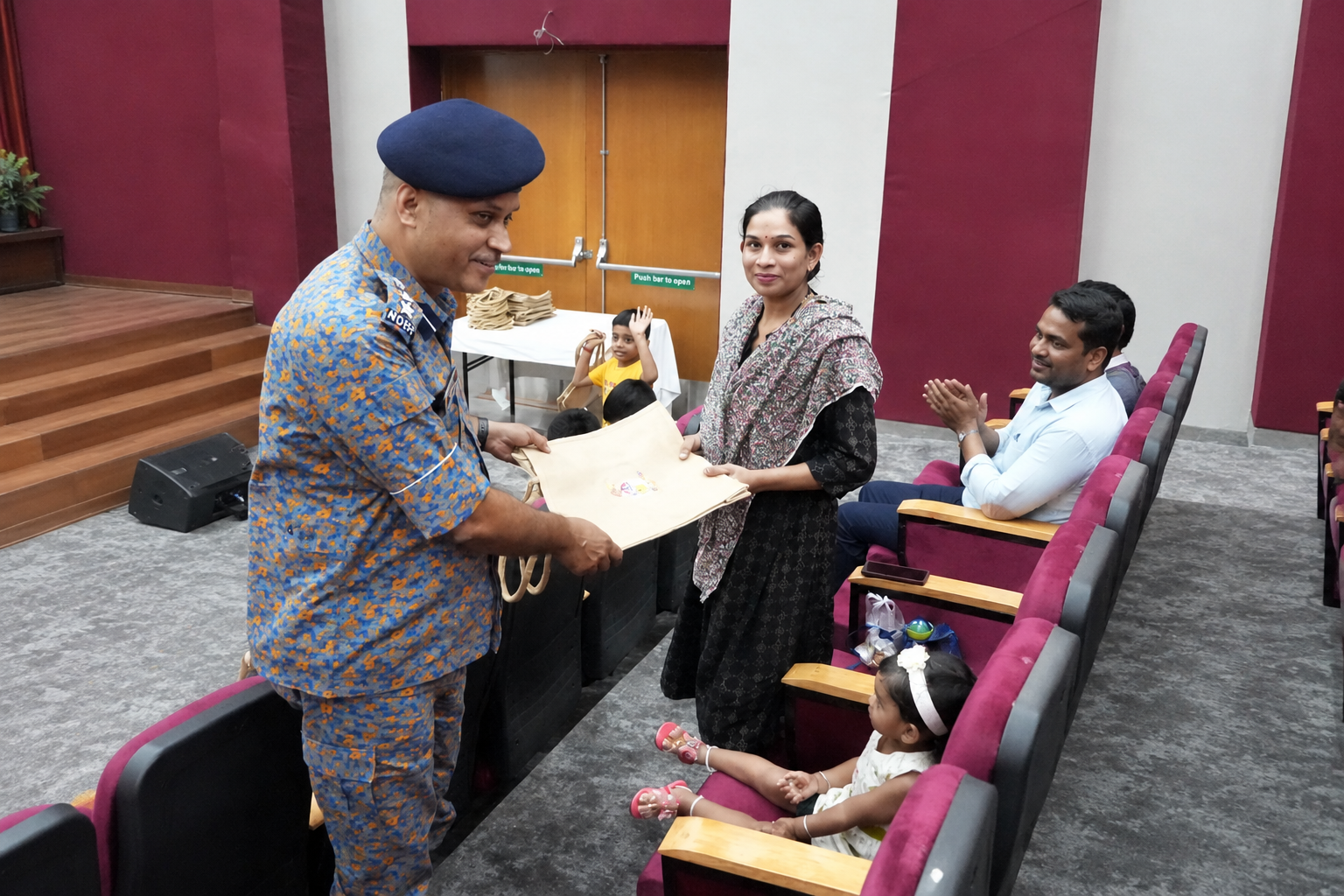
Effective waste management is carried out by creating compost from green waste using machine, as well as, through vermiculture initiatives. The use of poly bags is banned and natural fiber bags are encouraged. The need to conserve environment with 3 R concept of Reduce, Reuse and Recycle is encouraged and implemented for each course and staff member.
Swachh Bharat
Cleanliness campaigns reinforce hygiene, discipline, and public-health readiness.
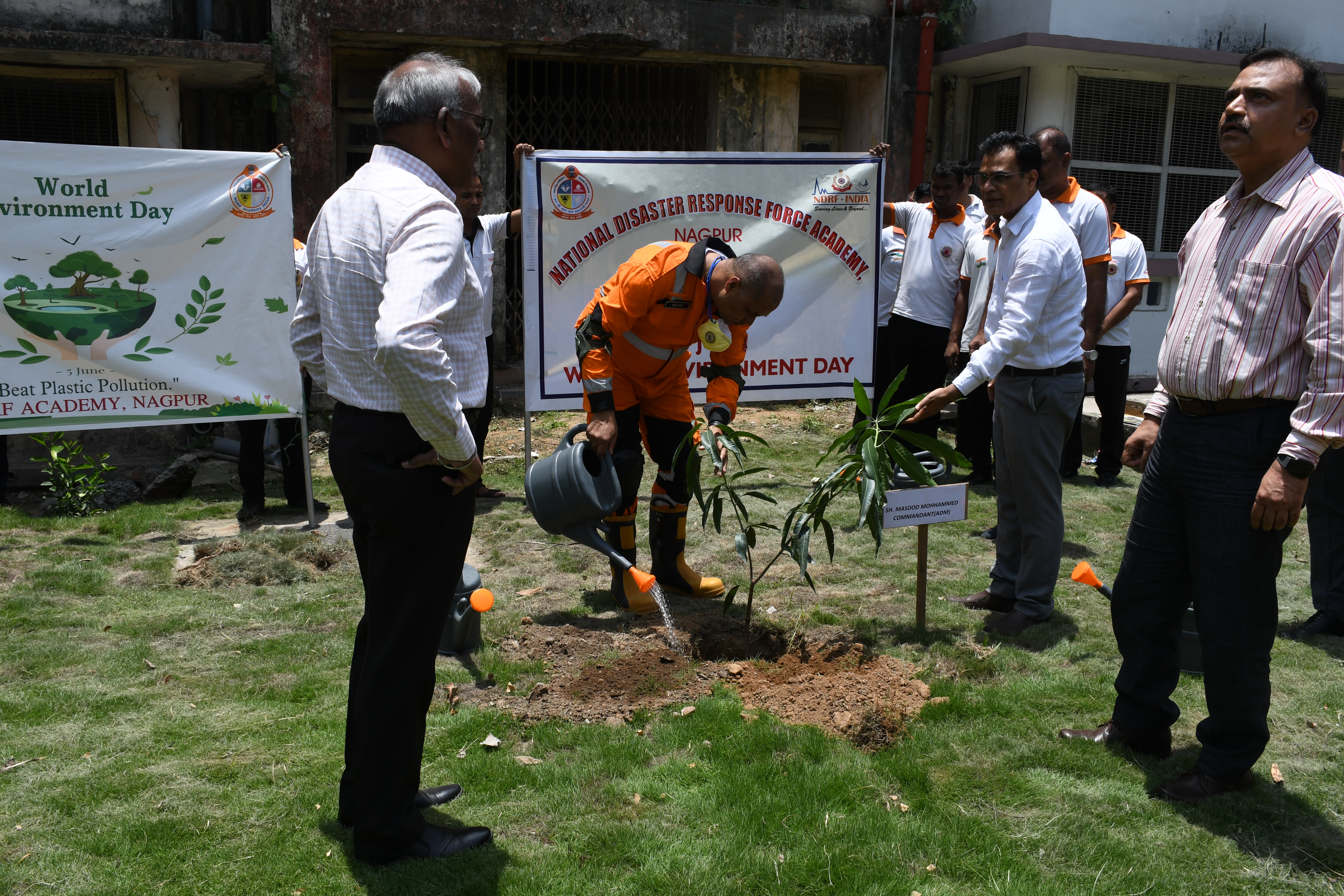
Environmental Day
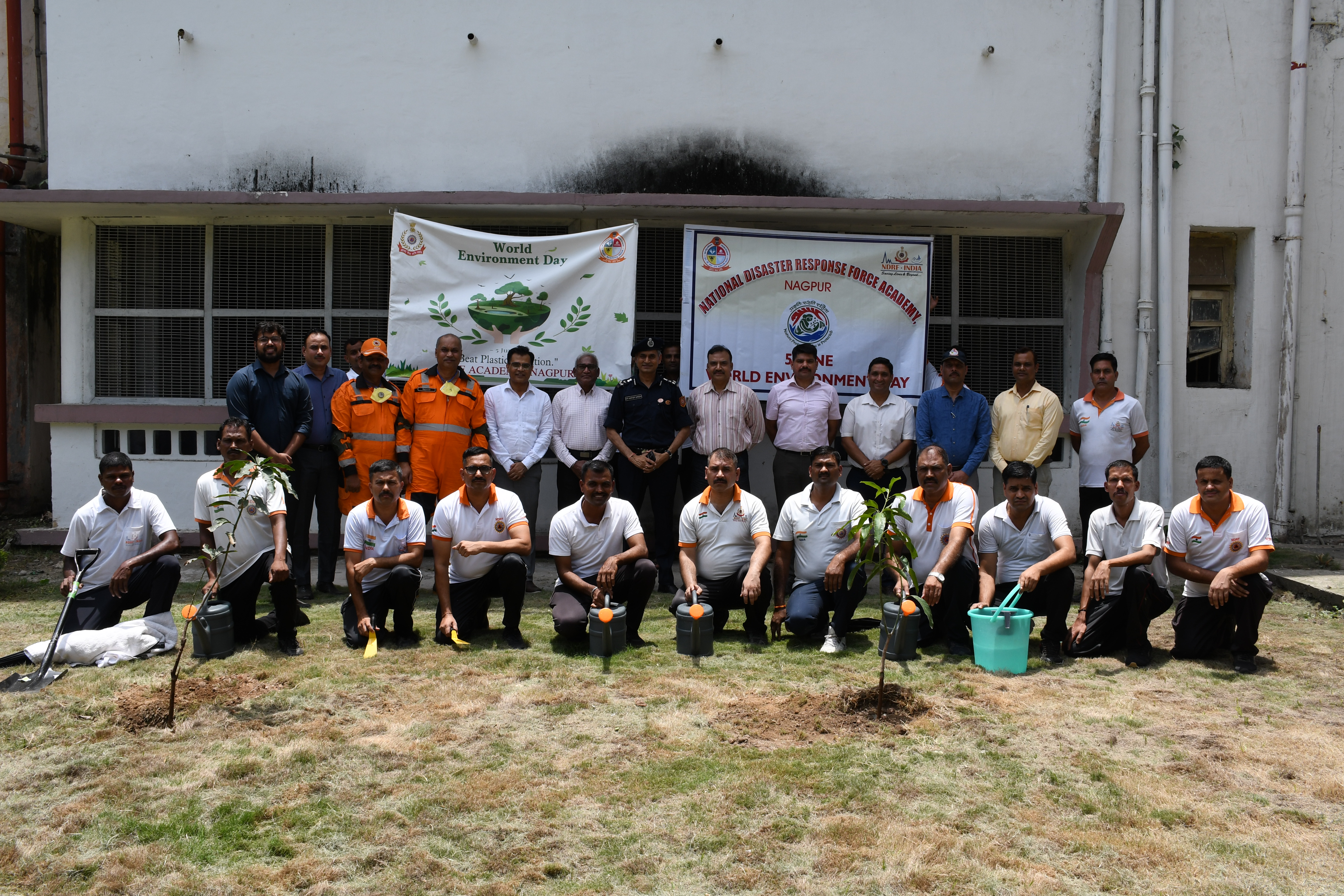
Promoting awareness and inspiring action to protect nature, conserve resources, and build a greener future for generations to come.
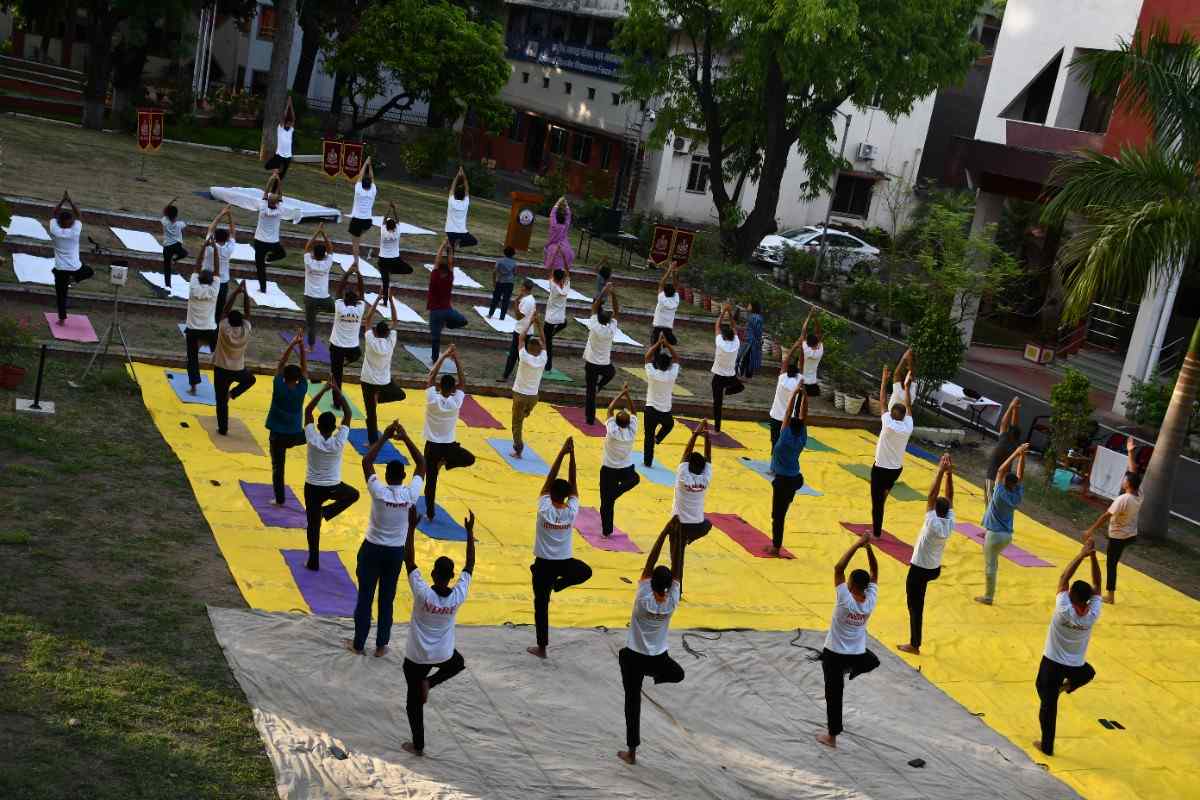
Healthy Campus Spaces
Open areas support physical training, wellness sessions, and safer outdoor learning.
Hindi Cell
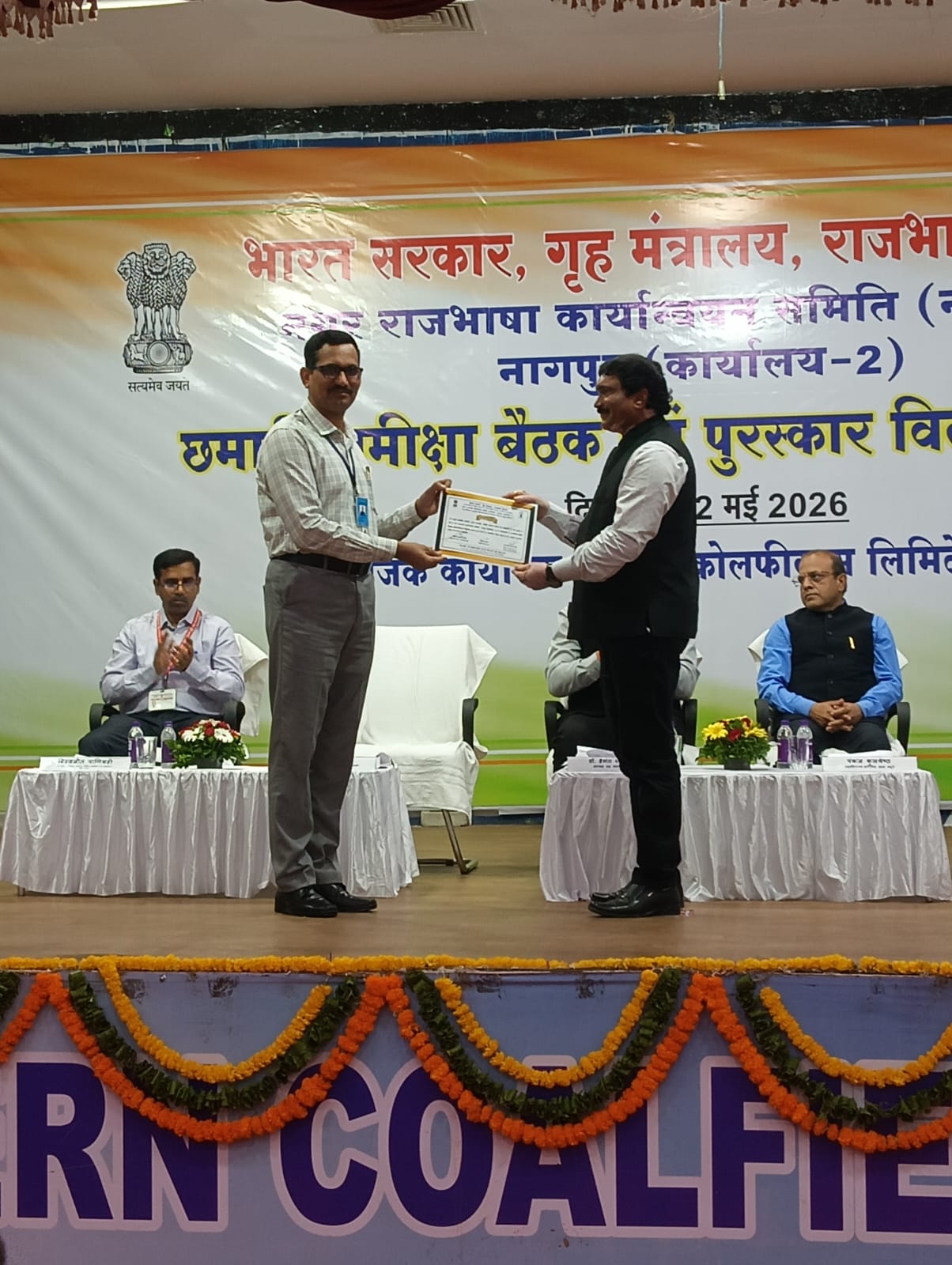
Strengthening official language implementation through Hindi workshops, correspondence support and regular awareness activities for Academy staff and trainees.
Promoting Hindi in Official Work
The Hindi Cell supports the progressive use of Hindi in day-to-day official communication, training documentation, notices, and administrative work while maintaining clarity and accessibility for all stakeholders.
- Hindi workshops and practical training for staff members.
- Support for official correspondence, drafting, and translation.
- Promotion of Rajbhasha awareness through events and observances.
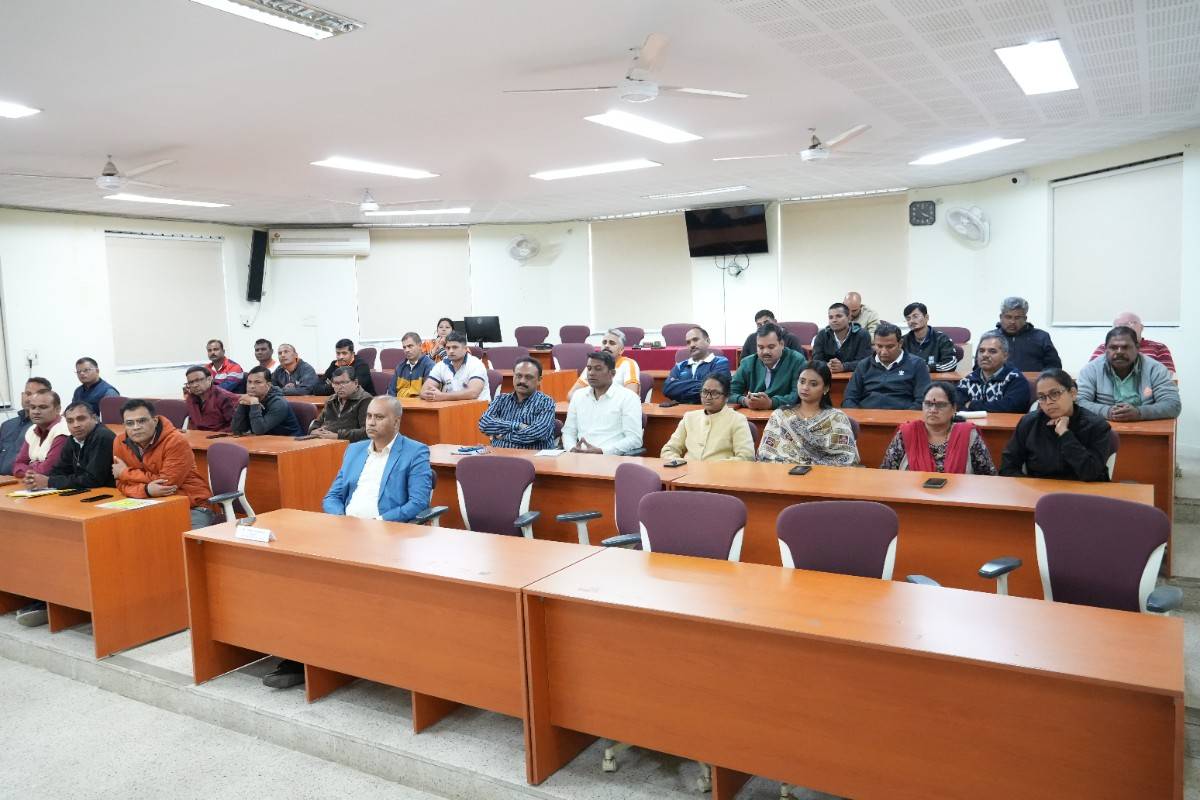
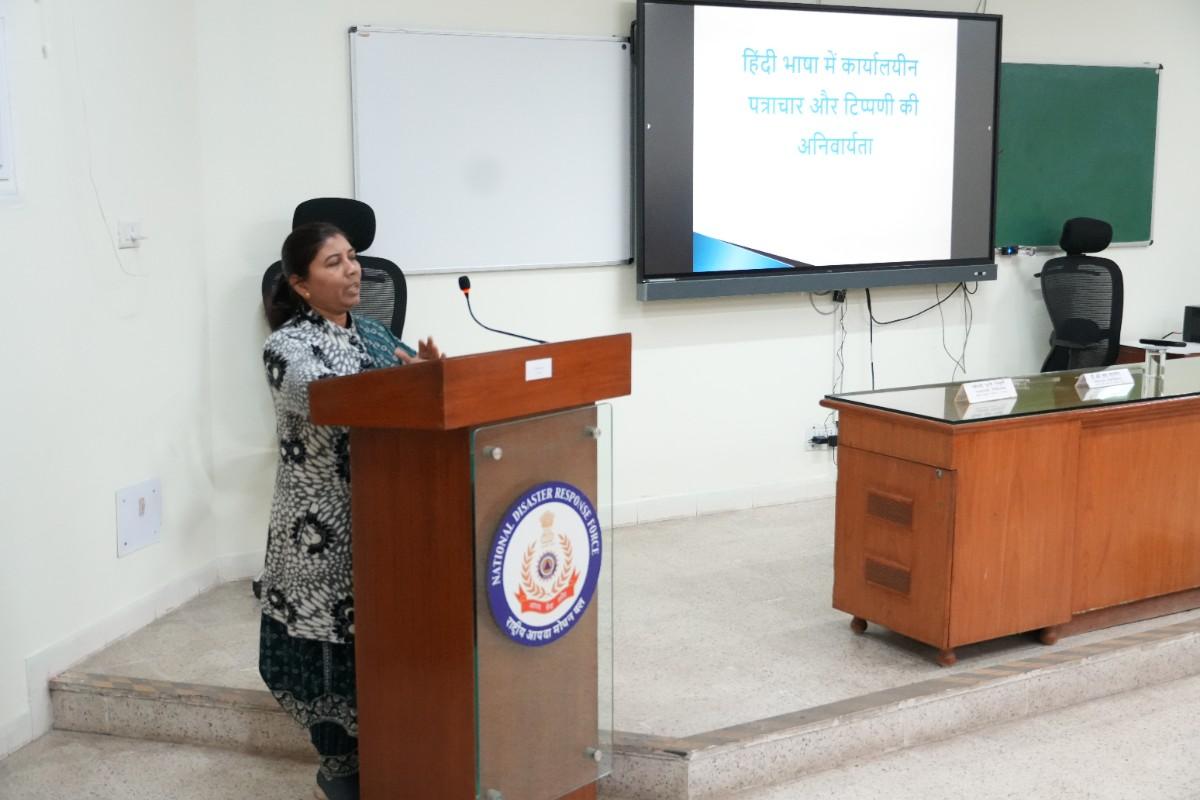
Hindi Karyashala
Workshops help personnel improve practical Hindi usage in official notes, reports, and routine communication.
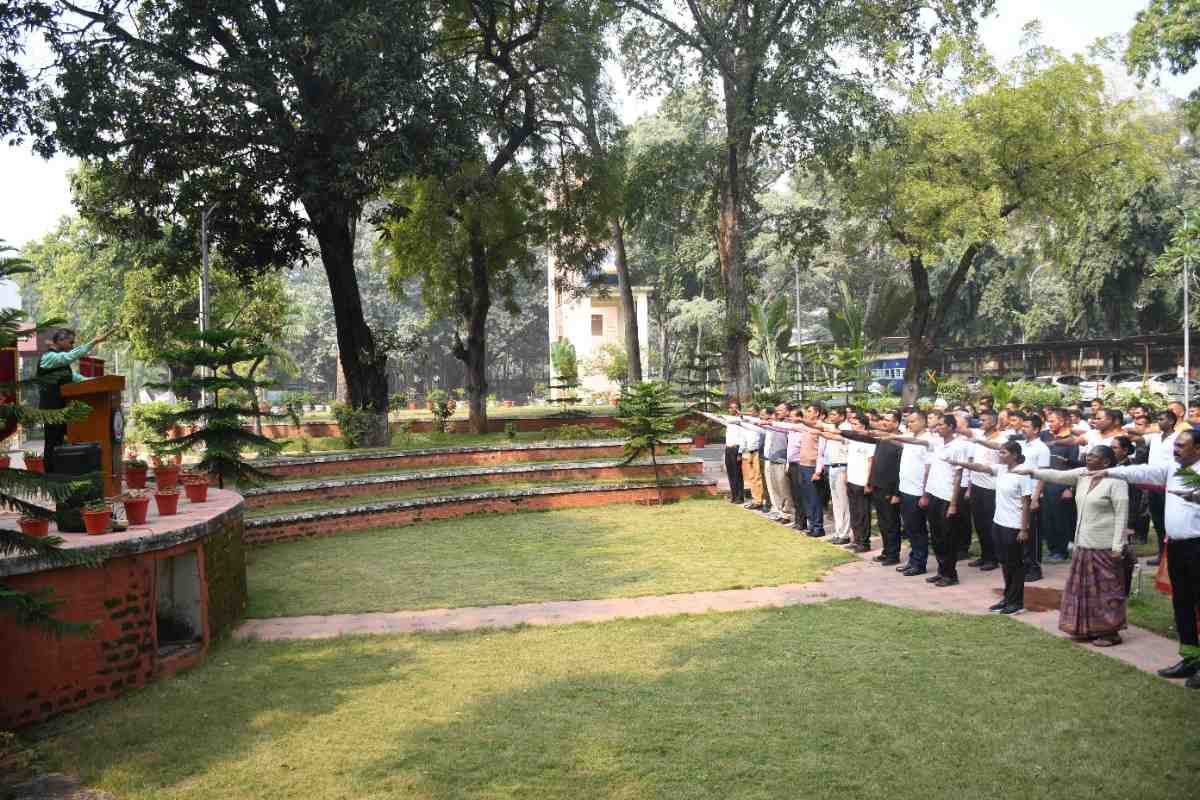
Rajbhasha Awareness
Awareness activities encourage wider participation in official language implementation across the Academy.
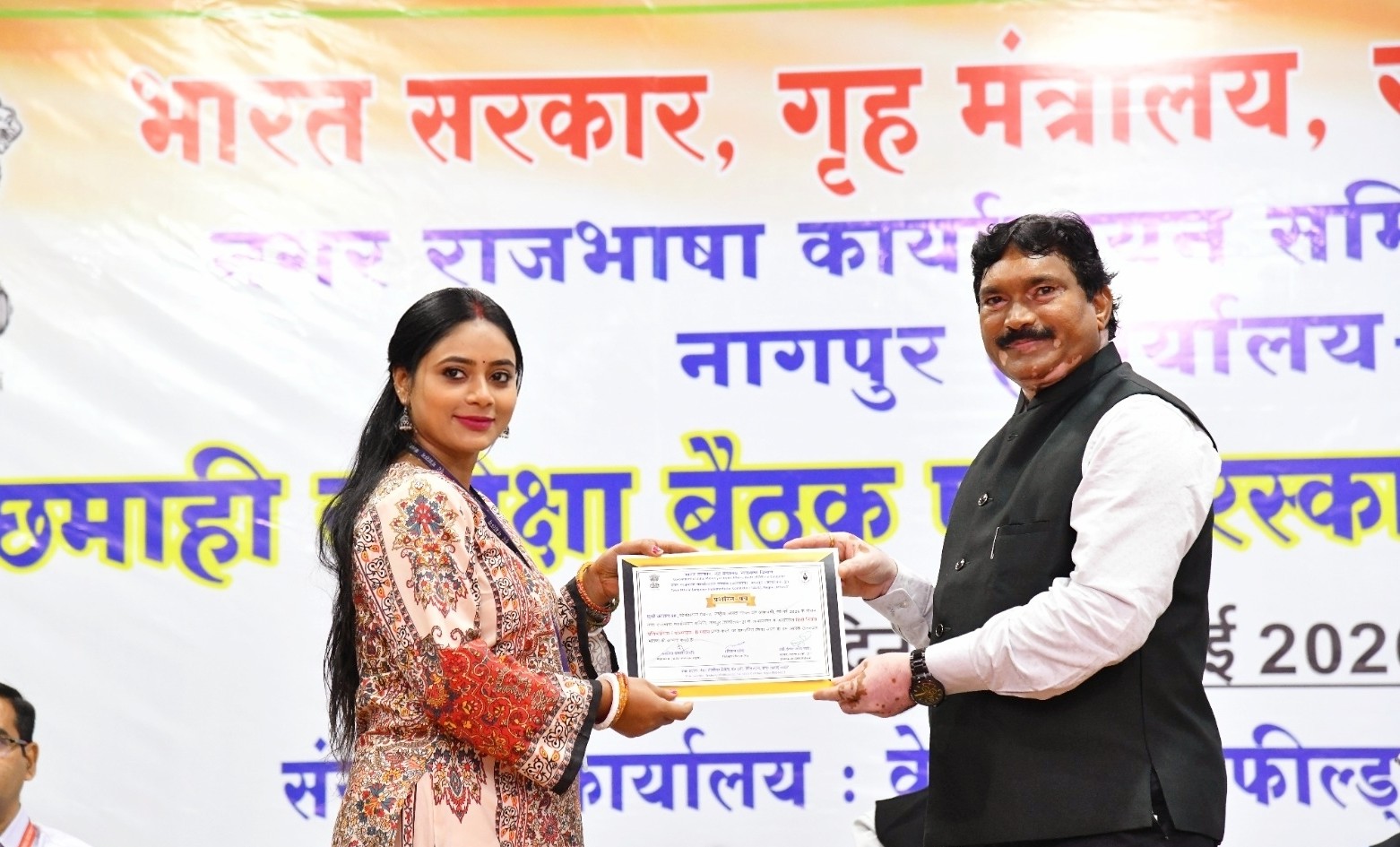
Excellence Awards
Encouraging communities through awards and recognition programs that motivate people to learn, practice, and preserve the Hindi language.